What’s a skill you consider basic, that most people don’t actually know how to do?

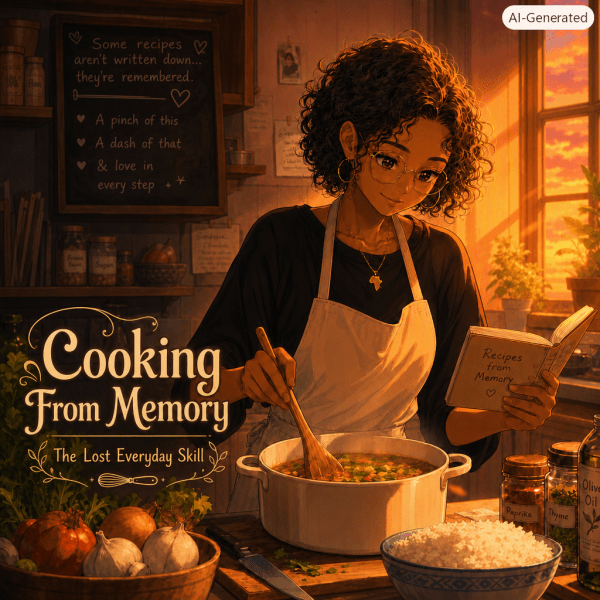
The Basic Skill Most People Don’t Actually Know: Cooking from Memory

Cooking used to be one of those everyday skills everyone picked up without thinking. You watched your mother, grandmother, aunties, sisters or uncles move around the kitchen, and eventually you learned how to make a few dishes by heart. No recipe card, no YouTube tutorial.  Just memory, reflex, and repetition.

But today, cooking has quietly become a “lost basic skill.”

We live in a world of convenience:

Fast food on every corner

Meal kits that arrive pre‑measured

Restaurants offering curbside pickup

Grocery stores filled with ready‑to‑heat meals

And because of that, fewer people actually know how to cook a simple meal from scratch. Not gourmet. Not Instagram‑worthy. Just a basic, nourishing dish built from ingredients, memory, and certainty.

Cooking from memory is more than a skill, it’s a form of independence. It teaches:

How to combine flavors

How to adjust when something goes wrong

How to feed yourself and others

It’s a life skill that builds strength, creativity, and even cultural identity. Yet many people today feel overwhelmed by the idea of cooking without a recipe, as if it’s some advanced art instead of a basic human practice.

Maybe it’s time we reclaim that simplicity. Maybe the most “basic skill” worth relearning is the one that nourishes us.

What app eats up most of your screen time — and do you even feel bad about it?

I have to be honest — the YouTube app is pretty much always open on my screen. It’s my little writing buddy. I’m obsessed with K‑dramas and C‑dramas, but half the time I’m not even watching them; I’m just listening while I write. Some folks need music or an audiobook to get in their flow, but me? Give me a good drama and I’m set.

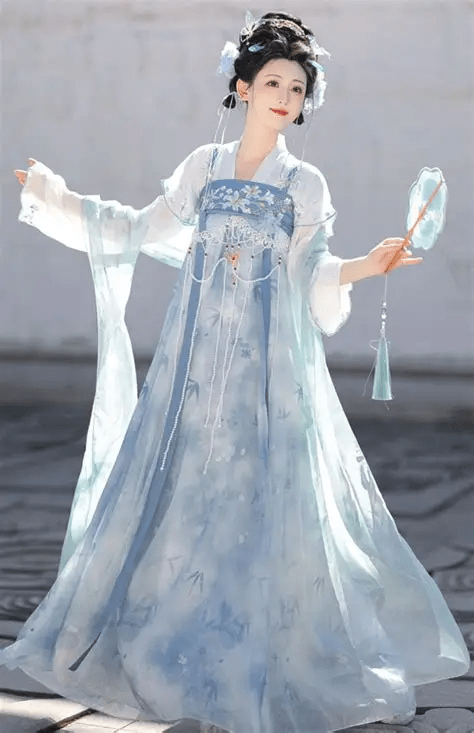
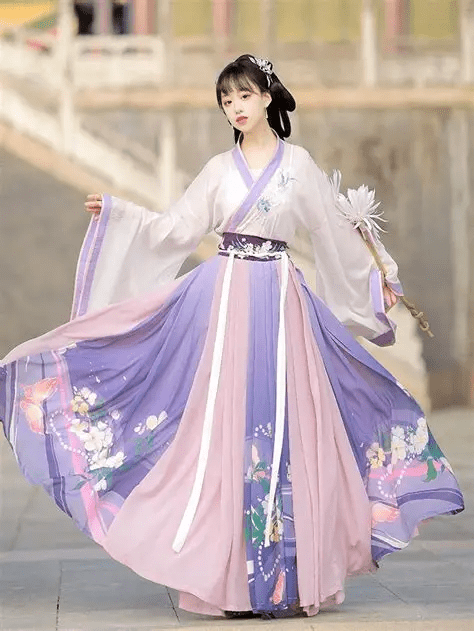
Do I feel bad about that? I’m supposed to be listening to something more “productive.” But the answer is no. Absolutely not. Those dramas are part of my creative rhythm. The ancient‑China ones especially pull me in with their sweeping stories and gorgeous hanfu outfits. The embroidery, the colors, the layers… it all feels so imaginative. Having them playing in the background makes my writing space feel a little more magical, and I’m not apologizing for what inspires me.

Seeing these outfits laid out like this just reminds me why I keep those dramas playing while I write. They’re soft, artistic, full of history, and they bring this gentle creative energy into my space that I’ve really grown attached to. It’s wild how something as simple as background noise can shift the whole vibe of a writing day, but that’s exactly what these ancient‑China dramas do for me. They keep me inspired, grounded.

What’s a chapter of your life you’d title “The Hard Years” — and what got you through it?

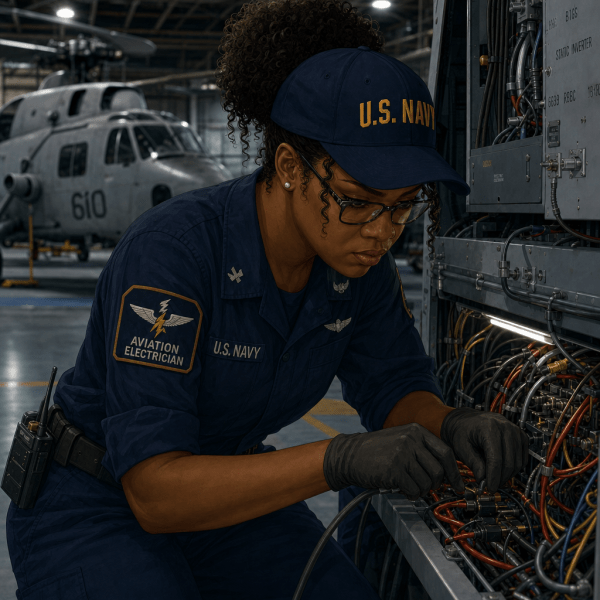
The Hard Years were more than a chapter in my career but also in my spirit. They were the years when women were finally being sent out to sea, but acceptance lagged far behind policy. I remember the ache of leaving my daughter and husband. Saying goodbye to them weighed heavy in my heart but I couldn’t show my sadness. I also knew stepping onto the ship meant stepping into a fight to be seen, valued, and to be allowed to belong.

Navigating Prejudice as a Black Female Leader

There was still prejudice woven into the culture of the military, sometimes whispered, sometimes blatant. And as a lead female, and an African American woman, I felt every ounce of it. I had to work twice as hard, speak twice as clearly, and prove myself twice over just to earn the respect men received without question. Every qualification questioned, every moment of leadership shadowed by the pressure to be perfect, because any mistake would be blamed not on me, but on my gender, my race, my presence.

Strength in Adversity

Those years stretched me. They tested me. They carved strength into me in ways I didn’t always recognize at the time. But they also taught me the power of standing firm, of showing up even when the world isn’t ready for you, and of becoming the kind of woman who makes space for the ones who come after.

What do you love now, that you hated when you were younger?

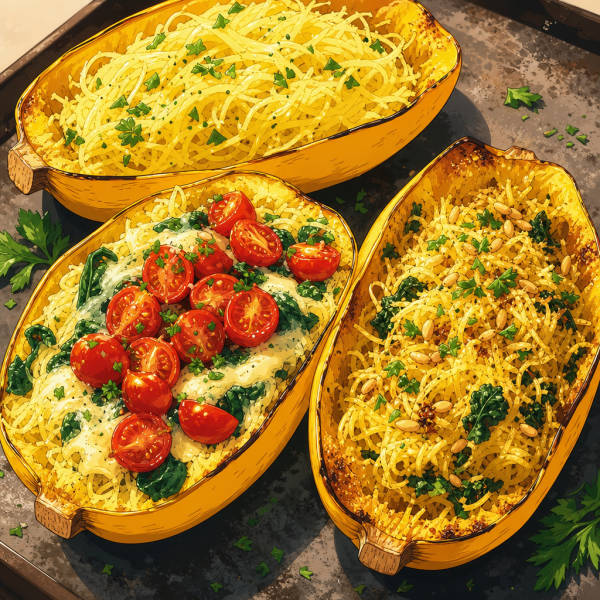
Spaghetti Squash

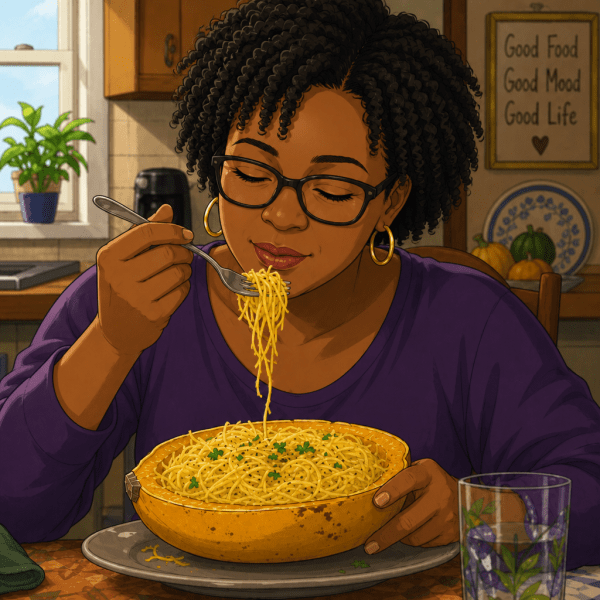
Spaghetti squash might just be the most underrated comfort food on the planet especially if you’ve spent years thinking it’s a sad substitute for pasta. This golden gourd doesn’t just twirl like noodles; it delivers real nutritional power, offering fiber, antioxidants, and vitamin C while staying naturally low‑calorie.

When I was younger, though, it was a very different story. The texture felt strange, the taste didn’t appeal to me, and I couldn’t imagine choosing it on purpose. But over time my palate shifted, and what once felt unappetizing now tastes surprisingly yummy. It’s funny how foods especially vegetables can grow on you, becoming little healthy comforts you never expected.

If you has an unlimited budget for 24 hours, what would you do?

There’s a part of me that knows I’m supposed to say I’d donate to charity or volunteer at a shelter, and maybe one day I will. But if I’m being honest, I would go straight to the Sistine Chapel. I would stand beneath that impossible ceiling for hours, neck tilted back, letting Michelangelo’s vision pour over me like a blessing. There’s something sacred about witnessing a masterpiece created by a single human hand, something that reminds you how devotion, obsession, and raw talent can collide to create a window into the divine. It’s not selfish to want that. It’s human.

Because in that quiet, fresco‑lit space, I imagine feeling the kind of awe that rearranges you from the inside out. The kind of wonder that makes you breathe differently, think differently, dream differently. I want the sense of stepping into a story bigger than myself, the same feeling I chase when I write about gods, witches, seraphim, and worlds stitched together with myth. The Sistine Chapel isn’t just a destination; it’s a pilgrimage of the soul, a reminder that beauty can be transformative, and that sometimes the most honest thing we can do is seek out the moments that make us feel small in the best possible way.

Daily writing prompt
If you had an unlimited budget for 24 hours, what would you do?

If you could erase one movie from your memory and watch it again for the first time, which one would it be?

The first Star Trek movie would be the one I pick. The long‑overdue recognition of Gene Roddenberry’s visionary imagination. When the original series premiered in the 1960s, it pushed television far beyond its comfort zone. Roddenberry didn’t just craft a sci‑fi adventure, he offered a brave, optimistic plan for humanity’s future. Of course, at the time I didn’t fathom the depth of what the film represented. I just loved the series as a kid.

The film’s debut was thought by some a tipping point that the world was finally ready to embrace the depth of his ideas, honoring a creator who believed strongly in exploration, diplomacy, and the boundless potential of the human spirit.

What made Star Trek truly revolutionary was its steady commitment to representation and unity. At a time when American television rarely showcased diversity, the series placed minorities in respected, central roles. Its premise that Earth, after surviving a devastating third world war, rebuilt itself into a society free from discrimination, bigotry, homelessness, and starvation was profoundly hopeful. Roddenberry imagined a future where humanity didn’t just coexist but thrived by embracing each other’s uniqueness. Decades later, that vision still feels ahead of its time and continues to inspire fans around the world.

It encourages me to believe that one day we will have a world where everyone will be valued for themselves and not judge anyone based on their sex, color, ethnicity or nationality.

Daily writing prompt
If you could erase one movie from your memory and watch it again for the first time, which one would it be?

What is your Favorite Restaurant

It’s a toss-up between Red Lobster and Olive Garden; it honestly depends on what I’m craving. Red Lobster, it’s basically a done deal—I’m getting crab. I can look at the whole menu, pretend I’m considering something new, but who am I kidding. I love crab way too much. Do I hate cracking the shell? Absolutely. Do I still do it every single time? Also, absolutely. There’s just something about that sweet crab meat that makes the whole messy, slightly annoying process worth it for me.

But then there’s Olive Garden, and that’s a whole different mood. Their seafood Alfredo hits me right in my noodle‑loving soul. It’s creamy, comforting, and I don’t have to fight my food to enjoy it. If I’m craving pasta, that dish is basically my weakness. So really, the choice isn’t even about the restaurant, it’s about whether I’m in the mood to roll up my sleeves and battle a crab or sit back with a big bowl of noodles and just melt into the moment.

Daily writing prompt
What is your favorite restaurant?

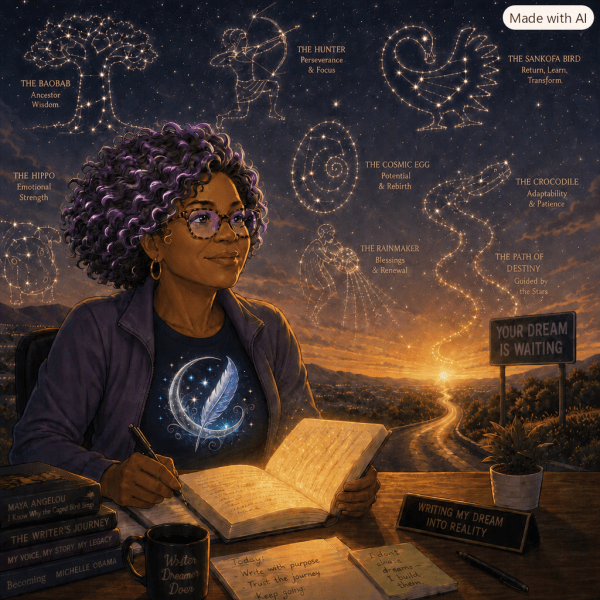
Do You Believe in Fate/Destiny

I believe in Destiny rather than Fate.

For me, destiny feels like something I can grow toward rather than something that drags me along. It’s a sense of purpose that develops when I make choices, take risks, and follow what feels right in my gut. I like the idea that my life isn’t locked into one rigid path, but instead shaped by my decisions, effort, and the meaning I create along the way. Destiny gives me room to evolve, to change direction, and to become the person I want to be.

Fate, on the other hand, has never really resonated with me. The idea of something fixed and unavoidable, something I can’t change no matter how hard I try, feels too confining, a trap I can’t avoid. I don’t want to believe my life is already written. I’d rather believe I am an active member, not just a character following a script. That’s why destiny makes more sense to me. It gives me freedom while still giving my life a sense of direction and meaning.

Daily writing prompt
Do you believe in fate/destiny?

What’s your favorite thing to cook?

Cooking soup is my favorite kind of kitchen ritual because it is grounded in comfort. I love that soup begins simply and becomes something expressive. A handful of ingredients, a bit of heat, and time to develop that quiet conversion feels deeply satisfying to me. Soup lets me improvise, adjust, and follow my instincts rather than strict rules, and I enjoy the freedom to build flavor in a way that’s both relaxed and intentional.

It’s a dish meant to be shared, something that warms people and brings them together. Cooking it allows me to take ordinary ingredients and turn them into nourishment, both for myself and for others. In many ways, soup represents the kind of presence I try to bring to my life: adaptable, comforting, and made with care.

Daily writing prompt
What’s your favorite thing to cook?

Name an attraction or town close to home that you still haven’t got around to visiting.

Living so close to the Arizona State Fair almost makes it feel like a missed opportunity to experience the rides, the concerts, and the wild food creations they try each year. But my hesitation makes sense. Driving in Phoenix can feel like navigating a maze of impatient traffic, confusing interchanges, and sudden lane merges that seem designed to test your stress tolerance. Add in the parking situation paying premium prices just to leave your car in a dusty dirt lot. Why I say “maybe next year.” The hassle can overshadow the excitement before you even get through the gates.

The fair itself has a lot to enjoy from what I hear from people who go there and from the description on the web. The food vendors offer the classic favorites along with a few creative options. The rides add a fun mix of nostalgia from my childhood memories of going to the county fairs growing up. The atmosphere is lively without being overwhelming, and it’s easy to spend a few hours wandering around, trying snacks, and taking in the sights.

Daily writing prompt
Name an attraction or town close to home that you still haven’t got around to visiting.