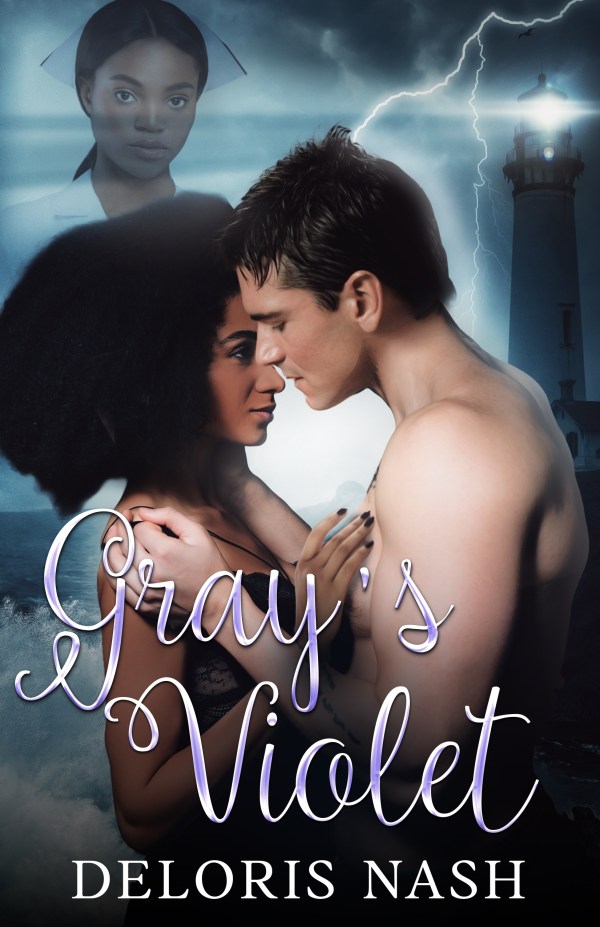
A Spark of an Idea for Gray’s Violet

From Movie Memory to Beacon Bay

When I was younger, I watched an old movie called The Ghost and Mrs. Muir. It’s about a ghost who haunts a cottage by the sea and a young widow who moves in. Over time, they become friends, and for some reason, that story stayed with me.

Years later, when I finally got up the courage to write a book, that movie popped back into my head. But I didn’t want my ghost to be dark or scary. I wanted her to be more like your favorite aunt. You know the one. She’s always looking out for you, always has an opinion about your life, and isn’t afraid to step in when she thinks you’re making a mistake.

I thought about my aunts. They were loving, wise, and sometimes a little meddlesome, but everything they did came from the heart. That’s how my ghostly matchmaker began to take shape. She became the character who nudges people together and refuses to give up until they find their happily ever after.

Thinking back, I realize The Ghost and Mrs. Muir probably influenced more than just that character. But may have inspired Beacon Bay itself.

There was something about that cottage by the sea that captured my imagination. The sound of the waves, the salty air, and that feeling that something supernatural could happen.

When I created Beacon Bay, I wanted a town where everybody knows each other. But I also wanted it to have a touch of mystery. A place where ghosts might linger and old secrets refuse to stay buried. And, of course, every seaside town needs a lighthouse. Perched high above the waves, the Beacon Bay lighthouse watches over the town, its light sweeping across the harbor night after night.

I didn’t realize it at the time, but Beacon Bay became my own version of those seaside stories I loved so much. A place filled with friendship, romance, second chances, and a little bit of magic.

It’s funny how inspiration works. Sometimes a movie you watched years ago plants a tiny seed in your imagination. Then one day, without even realizing it, that seed grows into a story of your own.

It’s Release Day: Gray’s Violet Paranormal Romance

After months of writing, editing, rewriting, second-guessing, and finally taking a deep breath and hitting the publish button, Gray’s Violet officially releases into the world.

Set in Beacon Bay, where fate, romance, and a touch of the supernatural collide, Gray’s Violet is a story about finding love when you least expect it and trusting that some connections are simply meant to be.

As an author, there’s always a mix of excitement and nerves before a release. You’ve spent so much time with these characters that sending them out into the world feels a little like watching your children leave home. You hope readers will fall in love with them the way you have.

Today, readers will finally get to meet Gray and Violet and experience their journey for themselves.

To everyone who has supported my writing, followed my blog, read my books, shared my posts, or simply cheered me on from the sidelines, thank you. Your encouragement means more than you know.

I can’t wait to share Gray’s Violet with you.

Happy reading,

Deloris Nash

https://books2read.com/u/3yY0nJ

https://www.amazon.com/Grays-Violet-Deloris-Nash-ebook/dp/B0HMZ55SW2?s=digital-text

My Publisher Rejected This Book. I Published It Anyway.

I Did It: My First Self-Published Novella.

I finally pushed the publish button for Gray’s Violet on Draft2Digital. For a week, I agonized and stressed over this book before I found the courage to publish it. I have other traditionally published novellas, but this one was different. This one I published on my own.

Why I Self-Published Gray’s Violet

The answer is simple. My publisher rejected the manuscript. But Gray’s Violet was my first manuscript ever, and it has always been close to my heart. It’s the story that started my writing journey. So when it was rejected, I said, “Fine. I’ll publish it myself.”

What Happened After I Decided to Self-Publish

I didn’t expect how hard it would be to push that button.

Would it flop? Had I edited it enough? Would readers discover mistakes I missed? Would they like the story? The doubts and insecurities kept me awake at night and made for some very stressful days.

I think every writer wants readers to love their work. We spend months, sometimes years, creating characters and stories that become a part of us. Letting them go out into the world is scary.

But then I thought, you know what? Whether Gray’s Violet sells one copy or one hundred copies, I did it. I took a chance on myself and published the book that started it all. I didn’t let a rejection decide its future.

That, in itself, is an accomplishment I’m proud of.

And if you’re sitting on a manuscript and wondering if you’re brave enough to hit that publish button, my advice is simple: believe in yourself and your story. Sometimes taking that leap is the biggest victory of all.

https://www.amazon.com/dp/B0HMZ55SW2?spcref=PUBLISHED_PREORDER_LIVE

https://books2read.com/u/3yY0nJ

How do you write what people actually want to read?

I believe everyone is different and has their own interests. Some people reach for novels, others for poetry, fiction, or nonfiction. That’s the beauty of storytelling; there’s always something for everyone. I write stories that I would want to read, stories that make my heart beat a little faster and my imagination light up.

When I was growing up, I found a romance book in my sister’s library, and that moment sparked my lifelong love of romance. I fell in love with the emotion, the tension, the promise of connection. But there was one problem: no one on the covers looked like me. The heroines didn’t share my skin tone, my features, or my cultural background. It was as if love existed everywhere except in the world I recognized.

That realization stayed with me. It shaped the kind of writer I became. So now, every one of my books features multicultural characters. Heroes and heroines who reflect the real world, and who deserve to be centered in their own love stories. Multicultural romance allows me to show how love crosses boundaries, blends traditions, and creates something new and beautiful. It’s not just about diversity; it’s about authenticity. It’s about giving readers characters who look like them, love like them, and navigate the world with the same layered identities they carry every day.

Writing multicultural romance means writing love that looks like the world. And that’s the kind of story I will always want to read.

What’s the longest book you’ve ever read?

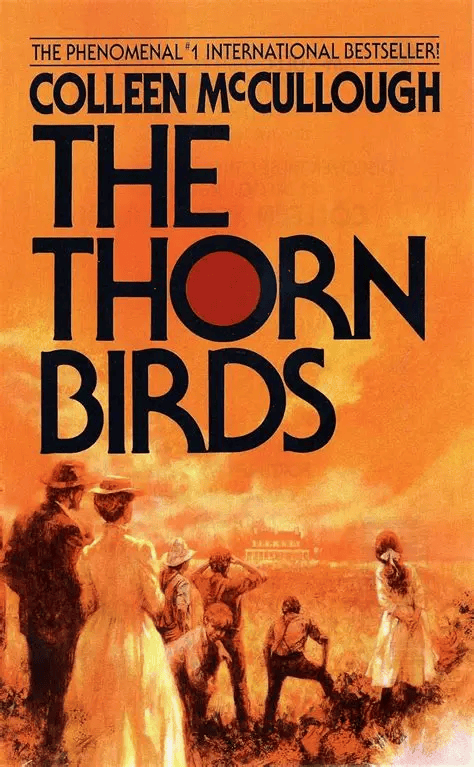
The Thorn Birds is a sweeping, emotional, multi‑generational romance novel by Colleen McCullough, published in 1977. The story follows the Cleary family in rural Australia, centering on the forbidden, lifelong love between Meggie Cleary and Father Ralph de Bricassart, a Catholic priest torn between ambition and desire.

It wasn’t just long in page count, it was long in how it stayed with me. The story moves through decades, following a family as they deal with everyday choices, hard moments, and the kind of relationships that shift over time. I didn’t rush it. I read it slowly, chapter by chapter, the way you do when a book asks you to settle in and pay attention.

What kept me going wasn’t big drama or shocking twists. It was the quieter parts, watching people grow, seeing how the setting shaped their lives, and noticing how love showed up in simple, imperfect ways. It’s the kind of book that reminds you a steady, slow‑building story can stick with you long after you close it.