Blog
How do you write what people actually want to read?
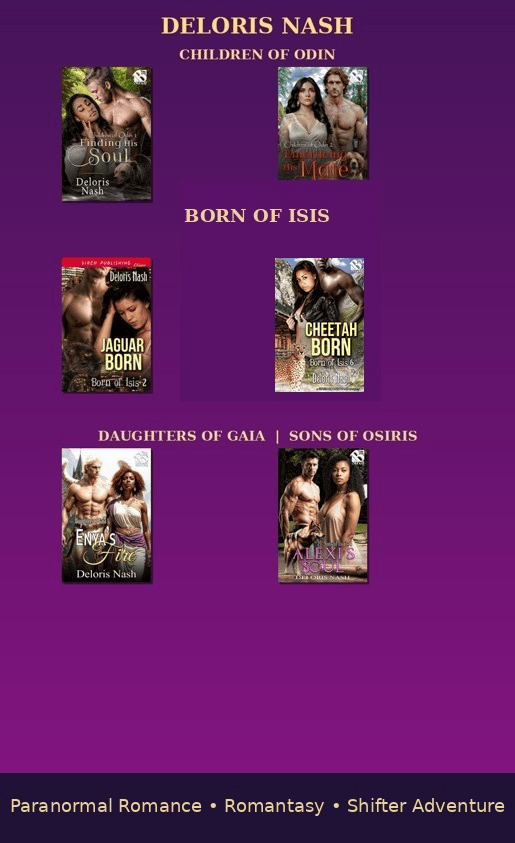
I believe everyone is different and has their own interests. Some people reach for novels, others for poetry, fiction, or nonfiction. That’s the beauty of storytelling; there’s always something for everyone. I write stories that I would want to read, stories that make my heart beat a little faster and my imagination light up.
When I was growing up, I found a romance book in my sister’s library, and that moment sparked my lifelong love of romance. I fell in love with the emotion, the tension, the promise of connection. But there was one problem: no one on the covers looked like me. The heroines didn’t share my skin tone, my features, or my cultural background. It was as if love existed everywhere except in the world I recognized.
That realization stayed with me. It shaped the kind of writer I became. So now, every one of my books features multicultural characters. Heroes and heroines who reflect the real world, and who deserve to be centered in their own love stories. Multicultural romance allows me to show how love crosses boundaries, blends traditions, and creates something new and beautiful. It’s not just about diversity; it’s about authenticity. It’s about giving readers characters who look like them, love like them, and navigate the world with the same layered identities they carry every day.
Writing multicultural romance means writing love that looks like the world. And that’s the kind of story I will always want to read.
What’s the longest book you’ve ever read?
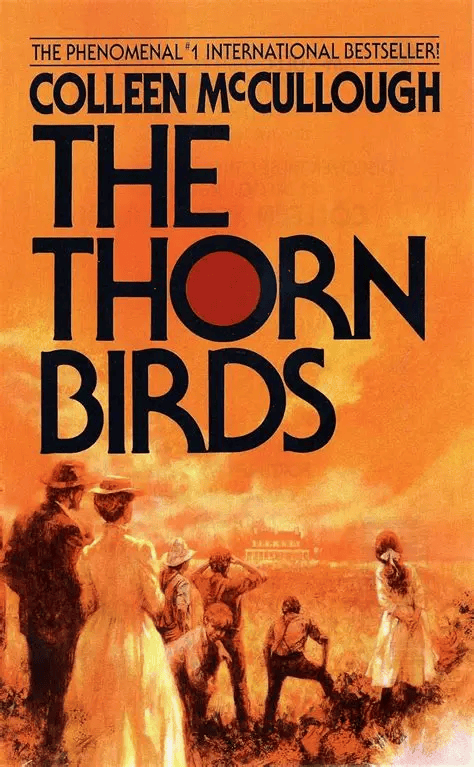
The Thorn Birds is a sweeping, emotional, multi‑generational romance novel by Colleen McCullough, published in 1977. The story follows the Cleary family in rural Australia, centering on the forbidden, lifelong love between Meggie Cleary and Father Ralph de Bricassart, a Catholic priest torn between ambition and desire.
It wasn’t just long in page count, it was long in how it stayed with me. The story moves through decades, following a family as they deal with everyday choices, hard moments, and the kind of relationships that shift over time. I didn’t rush it. I read it slowly, chapter by chapter, the way you do when a book asks you to settle in and pay attention.
What kept me going wasn’t big drama or shocking twists. It was the quieter parts, watching people grow, seeing how the setting shaped their lives, and noticing how love showed up in simple, imperfect ways. It’s the kind of book that reminds you a steady, slow‑building story can stick with you long after you close it.
Star Trek: Boldly Going For 60 Years
Judicial Ambiguity Has Created a Dangerous Leeway for Sexual Assault on Minors
India Rejects Court of Arbitration Rulings on the Indus Waters
Violence Is Better Than Apathy
A Dedication to Tim Curry: The Sweet Transvestite Who Rewrote the Rules
Tim Curry didn’t just play Dr. Frank‑N‑Furter, he ignited him into existence. In The Rocky Horror Picture Show.
Curry delivered a performance so charged, so brazen, it carved out a permanent place in pop cultures. Frank‑N‑Furter wasn’t merely a character; he was a statement. A glittering, wicked, velvet‑voiced reminder that identity is a creation, not a cage.
Curry stepped onto that screen in corset and pearls with the confidence. gave us permission to be strange, to be sensual, to be theatrical, to be too much. Permission to be art.
And he did it with a smile sharp enough to cut glass.
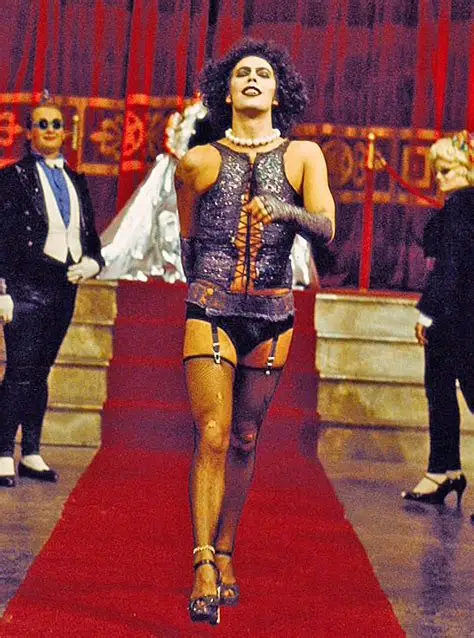
A Personal Dedication: Tim Curry
This blog is for Tim Curry for the courage he embodied, the artistry he unleashed, and the doors he kicked open for generations of creators. For the people who found themselves in the glitter, the eyeliner, the laughter, and the liberation of his performance.
For the ones who learned that being different isn’t a flaw. It’s a superpower.
Tim Curry showed us how to be unforgettable.

The Lasting Legacy of Dolly Parton’s Music and Kindness
Dolly Parton’s light endures in the way her music comforts, her generosity uplifts, and her spirit reminds us that kindness can be a legacy all its own. She turned simple truths into unforgettable songs and compassion into action, leaving behind a warmth that still feels close.